
The End of Cheap Food Is Changing How Food Gets Made
Food
Global food prices have once again come under pressure in recent months as geopolitical conflicts, shipping disruptions and energy market volatility continue to affect agricultural supply chains. According to the Food and Agriculture Organization of the United Nations (FAO), its Food Price Index surged in early 2026 following increases in cereal, meat and vegetable oil prices, highlighting how quickly commodity markets can shift in the current environment.
For food businesses, this is no longer unusual.
Over the past few years, the industry has had to contend with disruptions ranging from conflicts affecting grain and fertiliser supplies to rising freight costs, labour shortages and unpredictable weather patterns. While commodity cycles have always been part of the food business, the frequency of these disruptions is reshaping how food is produced, processed and distributed.
Many assumptions that supported the global food industry for decades are becoming harder to sustain. Rising labour costs, increasingly fragile supply chains and external disruptions are no longer occasional challenges, but persistent operating realities. Yet consumer expectations have not changed. Food is still expected to be affordable, safe and convenient.
The Rise of Integrated Food Ecosystems
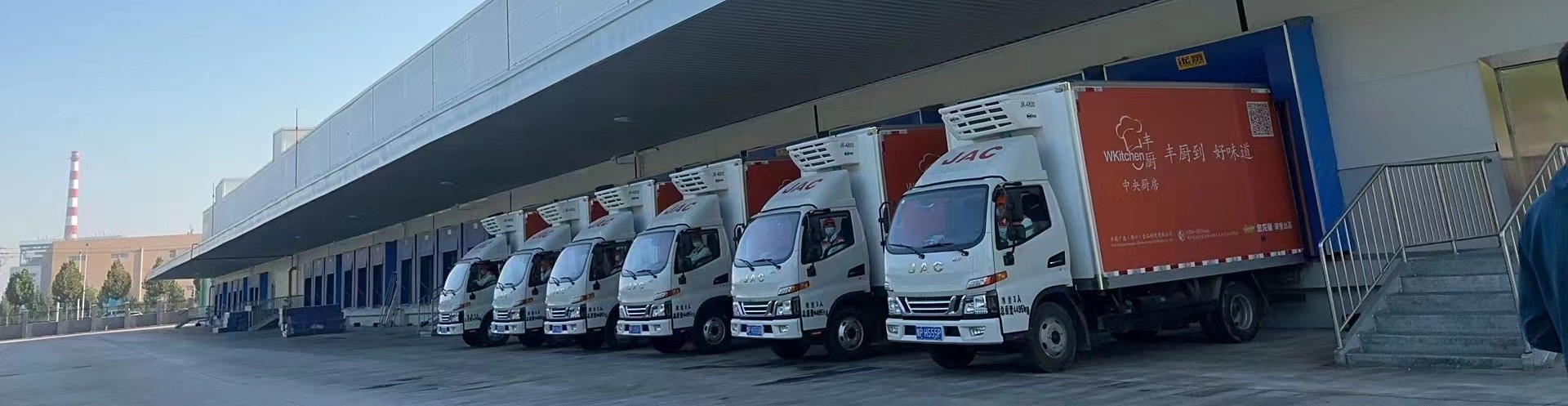
One outcome of this shift has been the growth of more integrated food ecosystems, including central kitchens, food parks and shared logistics infrastructure. While these models vary across markets, they reflect a broader move towards greater coordination across the food value chain.
.jpg?sfvrsn=eb323bcf_1 "1 (1)") Wilmar's Food Park in Kunshan, China
Wilmar's Food Park in Kunshan, China
In China, for example, food parks and central kitchens have expanded alongside urbanisation and changing consumption patterns. These facilities consolidate activities such as ingredient sourcing, food preparation, packaging, cold chain logistics and distribution within a more integrated operating environment. Shared infrastructure can reduce duplication, improve efficiency and support more consistent quality control.
This trend is not limited to China. Across many parts of the world, food production systems are becoming increasingly centralised in sectors ranging from institutional catering to quick-service restaurants and packaged foods. Fortune Business Insights projects that the global cloud kitchen market could grow from approximately US$71 billion in 2025 to over US$180 billion by 2032.
More fundamentally, this reflects how the economics of food production are changing.
The Industralisation of Food
Historically, food businesses differentiated themselves primarily through products, recipes and brands. Those factors remain important today. However, the ability to manage sourcing networks, processing capacity and distribution systems efficiently has become a critical source of competitive advantage.
In many respects, food production is beginning to resemble advanced manufacturing.
This is especially relevant during periods of supply chain disruption or commodity volatility. Businesses with diversified sourcing capabilities and integrated operations are often better positioned to manage fluctuations in freight costs, raw material availability and regional disruptions.
 Theresa Lima, one of Wilmar's own chemical tankers used to transport edibble oils
The Next Phase of Food Production
The United Nations projects that nearly 70% of the global population will live in urban areas by 2050. Feeding urban populations efficiently will require food systems capable of operating at scale while maintaining safety, consistency and affordability.
None of this suggests that traditional food preparation or smaller operators will disappear. Food remains deeply cultural and local by nature. However, behind the scenes, the systems supporting modern food consumption are becoming more integrated, coordinated and infrastructure-driven.
Consumers may never see most of this transformation directly. The transition is unlikely to be uniform. Different markets will adapt at different speeds, and many food businesses will continue operating hybrid models for years to come. But ultimately, the ability to provide meals consistently and affordably may grow to depend less on individual kitchens alone, and more on the systems operating behind them.