Education & Outreach
Programmes and Trainings
Rapid Surveys are part of our periodic implementation of the HCV Area Management and Monitoring Plan. They are conducted once a year and have been carried out in every conservation area since 2012.
The surveys mostly assess the status of HCV Conserved and HCV Cleared as well as Non-recoverable HCV areas in each company. The Rapid Survey also contributes to fulfilling our obligations to identify and inventory flora and fauna, as outlined in the principles and criteria of certification.
It also aids us in reporting our findings to the Conservation and Natural Resources Agency and other relevant agencies in accordance with applicable regulations.
Since 2013, Wilmar has used the Spatial Monitoring and Reporting Tool (SMART) to monitor and patrol our protected landscapes as well as for data analyses. SMART provides four main data retrieval components which are: location spatial data, date and time of patrols, observation of wildlife in HCV areas, and human activities in HCV areas such as encroachment and illegal logging.
SMART is one of the monitoring tools with applications that can be installed on desktops and mobile devices, and all findings ranging from protected wildlife, habitat conditions to potential threats are recorded digitally. With SMART, the management of HCV areas can be better carried out in a measurable, transparent and accountable way.
Data collected from our field teams, including the number of patrols conducted, field photos and findings are inputted into the systems and used to help us identify HCV areas and encroachment in our plantations. The data also helps us evaluate and adapt our management and monitoring plan for conservation activities in Indonesia.
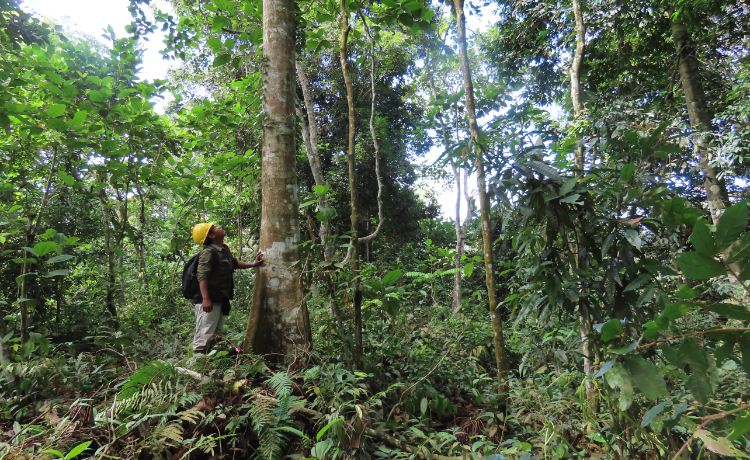
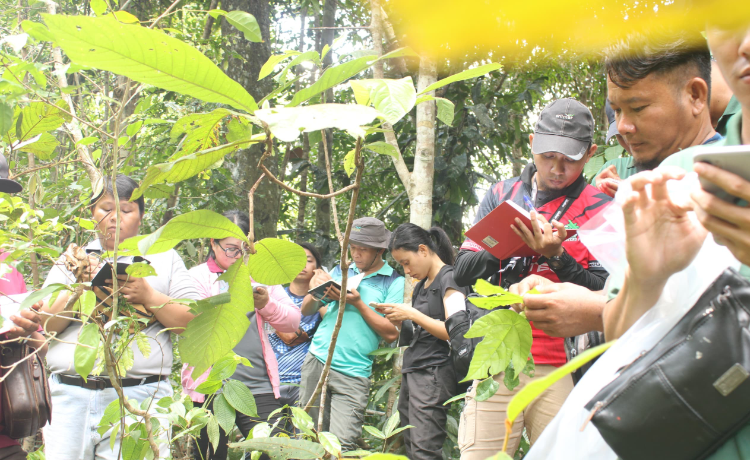
In April of 2025, a Tree Identification Training session and Interpretive Trail survey was conducted at the Sekar Imej Conservation Area (SICA) to strengthen our team’s local knowledge in forest biodiversity. The programme was led by Mr. John Sugau and a team of botanists from the Forest Research Centre (FRC) Herbarium in Sandakan, Sabah, in collaboration with Wilmar’s sustainability team.
As part of the training, trees and seedlings along SICA’s Laimong Trail and nursery were studied and tagged to support the development of an interpretive nature trail. In total, 189 trees representing about 130 species were identified, showcasing the rich diversity of the conservation area.
The three-day training brought together 24 participants, consisting of SICA rangers, local community members and Wilmar staff involved in HCV monitoring. Through hands-on fieldwork and classroom sessions, participants learned the fundamentals of tree identification and the ecological importance of native species.
At the end of the training, all the participants managed to develop practical skills to recognise local tree species in the field. The newly gained knowledge is a key step towards improving biodiversity monitoring and conservation management across Wilmar’s operations.
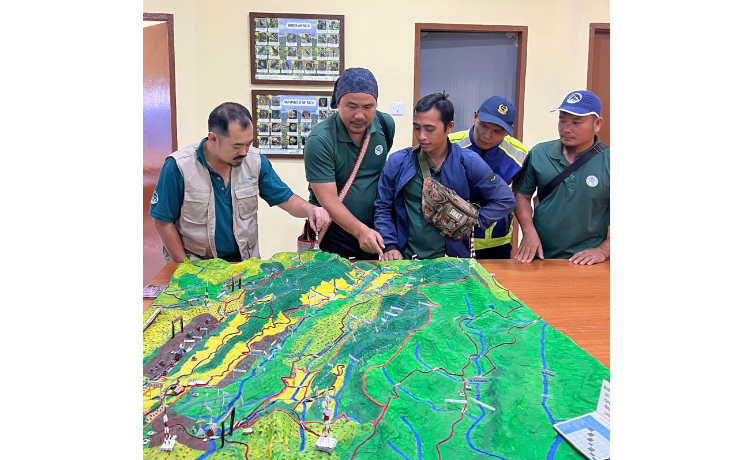
Our community 3D-mapping initiative was designed to equip participants with practical mapping skills, and to strengthen the relationship between Wilmar and the local communities living around the Sekar Imej Conservation Area (SICA).
This three-day hands-on programme, conducted in December 2023, brought community members, rangers, our Conservation team and 3D mapping specialists together. The hired specialists guided the group through each stage of the process.
To begin, participants were introduced to the art and science of creating a Three-Dimensional Participatory Map (Peta Tiga Dimensi or P3DM), starting with the fundamental step of preparing the contour layers.
The activity was a highly dynamic and physical process. Each contour piece was carefully identified, traced, cut and assembled, and every layer was stacked and labelled to accurately represent the terrain.
Participants arranged cardboard elements representing familiar features of their landscape to map out hills, rivers, roads, buildings, bridges, cultural sites and natural areas that are meaningful to the communities.
As the 3D map took shape, collaboration became a natural part of the process. Whether participants were arranging contour layers, debating the exact location of a hill, or agreeing on the name of a familiar place, every shared decision made helped build trust and reinforce commitments to co-managing the landscape.
Beyond the technical aspects, the programme strengthened trust, built teamwork and integrated the valuable local knowledge that only the community can contribute.
We held numerous discussions to decide what information should be included on the map. These conversations covered boundaries, HCV areas, remediation zones, hills, roads, special sites, local names, danger points, hotspots and other significant points-of-interest. Every detail was validated collectively, ensuring that the final map incorporates scientific knowledge and local wisdom.
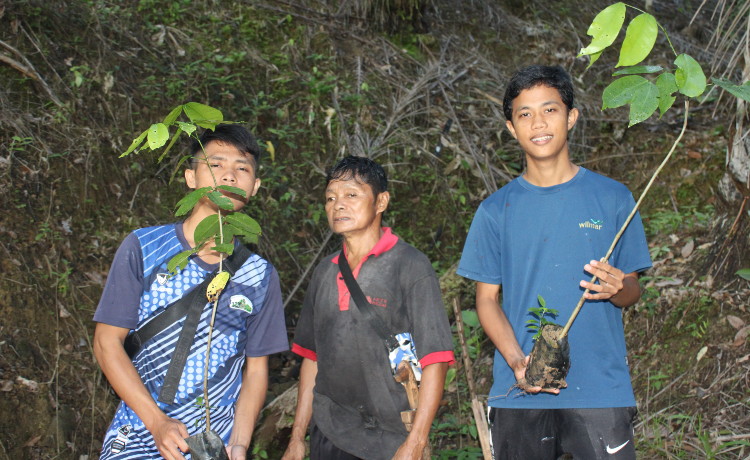
The Community Seedling Buyback Programme is an ongoing initiative within the Sekar Imej Conservation Area (SICA) that aims to enhance community livelihoods and forest restoration efforts.
Through this programme, Wilmar collaborates with local villagers to grow and supply tree seedlings. Particularly, hardwood species from the Dipterocarp family as well as selected softwood species which Wilmar purchases later onwards for our replanting activities.
Beyond providing an alternative source of income, the programme also raises awareness about the importance of forest care and restoration. It encourages participation from villagers to take part in conserving their natural environment while they benefit economically from sustainable practices.
For many Wilmar employees, their families and local villagers—specifically from the older generations—have long been passionate tree planters. Today, they contribute their experience and dedication by supplying Merbau, Durian and Kapur seedlings to the programme.
We also maintain continuous communication and outreach efforts with village heads and nearby communities, encouraging others to join efforts in restoring and protecting our forests.
All seedlings bought through the programme are nurtured in the SICA nursery which currently houses over 4,600 seedlings propagated by both Wilmar’s rangers and surrounding community members.
These seedlings will be part of our replanting activities, including upcoming forest rehabilitation and restoration projects within the conservation area.
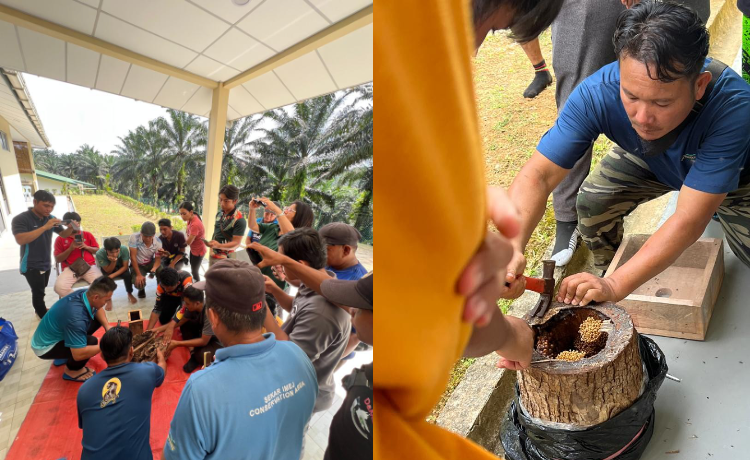
As part of the Sekar Imej Conservation Area (SICA) community-based conservation initiative, we introduced stingless bee farming as an alternative livelihood to help strengthen the Community Action Group’s involvement in protecting the area.
Stingless bee farming offers a unique way to empower local communities while promoting environmental conservation. These tiny yet vital pollinators play an important role in supporting local biodiversity and protecting native plant species, including those that are endangered.
In April 2025, Wilmar organised a two-day stingless bee farming training, led by Assoc. Prof. Dr. Suzan Benedick from Universiti Malaysia Sabah (UMS) and local entrepreneur Mr. Nasir Abdul Majid from Nature Farm Enterprise. The programme combined classroom learning and practical field sessions, including the installation of hives at Kampung Mononood.
A total of 22 participants attended, which included SICA Rangers, Wilmar’s conservation team as well as local representatives from nearby villages of Kampung Kaiboton, Kampung Kinadaan and Kampung Mononood. Participants gained practical experience in bee handling, hive maintenance and honey harvesting. The skills will empower them to generate new income opportunities while adding to their knowledge of environmental stewardship.
By the end of the programme, several participants expressed keen interest in setting up their own hives, an encouraging start of a sustainable community enterprise. Four hives—two mature and two developing colonies—along with three traps were installed in the village, housing the species Heterotrigona itama and Tetragonula laeviceps.
This initiative not only creates socioeconomic opportunities for the communities, but also strengthens their participation in conservation, ensuring that protecting SICA’s biodiversity goes hand in hand with improving community well-being.