watermark-light
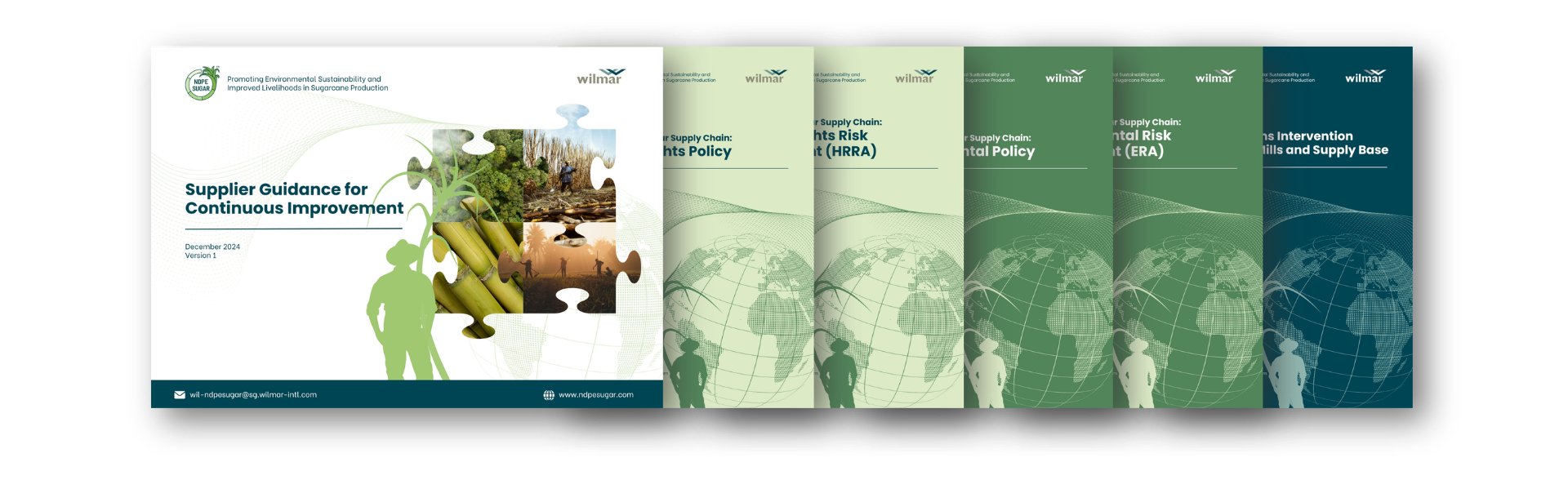
NDPE Sugar Website Banner


NDPE Sugar Logo

About NDPE Sugar

Launched in 2021, NDPE Sugar builds upon the success of our NDPE Palm initiative and represents a strategic commitment by Wilmar, as one of the largest sugar traders in the world to promote environmental sustainability and improved livelihoods in sugarcane production.

By engaging directly with Wilmar’s network of supplying mills, we work collaboratively with suppliers and buyers to advance the principles of No Deforestation, No People Exploitation (NDPE) throughout the sugar supply chain.

As such NDPE Sugar is a functional tool to help supply chain actors implementing their Deforestation and Conversion-Free (DCF) commitments. It strengthens their cane sugar purchases against reputational risks, investor pressures, and emerging environmental regulations.

With NDPE Sugar, we also assist our suppliers with focusing on activities which supports Regenerative Agriculture (RegenAg) particularly those concentrated on preventing deforestation, protecting natural ecosystems, maintaining soil health, and safeguarding water resources. 

The NDPE Sugar Programme has achieved Gold Level Equivalency under the Sustainable Agriculture Initiative (SAI) Platform Farm Sustainability Assessment (FSA), a globally recognised framework that helps producers assess their practices and identify opportunities for continuous improvement.

Our Vision: A sugar sector that is fully deforestation and exploitation free, climate resilient, and supporting healthy ecosystems and communities.

Our Mission: To implement NDPE Sugar across our supply chain through traceability, supplier due diligence, engagement, and transparent reporting, enabling continuous improvement in environmental and social practices.

Our Performance Indicator

No. Performance Indicator2021 2022 2023 2024 2025 2026 (T) 2026 (A) [3] 2027 (T)

1

Refinery Traceability [1,2]


96%

98.8%

>95%


>95%

2

Total Mills on SRT [1]

7

24

38

100

149

175

155

200

3

Logo Users (Companies)


9

12

12

16

4

Satellite Monitoring (Mln. Hectares)


37.1

52.7

55.6

55.6

58

5

NDPE Sugar Programme Verification


-

1

1

1

6

NDPE Grievance Socialization (No. of Mills)


0

149

0

175

7

Supplier Capacity Building Sessions


2

2

1

2

(T) = Target
(A) = Actual
1 and 2 are externally verified
[1] Please refer to the "Traceability to Mill and its Supply Base" section under "Our Approach"
[2] Depending on sourcing strategy
[3] 2026 actuals are only over H1


Our Principles

Principle 1 and 2 are mandatory principles – they outline the minimum expected sustainability requirements for Wilmar's full supply base.

Principle 3 is the continuous improvement principle – it recognises the importance of continuously enhancing operational practices through a progressive and ongoing implementation approach.

(Click on the principles for more information)

Principle 1: Protecting and Respecting People and Communities

  • Respect and Support Internationally Recognised Human Rights
  • Respect and Recognise the Rights of All Workers
  • Respect and Protect the Rights of Children and Their Welfare
  • Respect Land Tenure Rights 
  • Respect Free, Prior and Informed Consent (FPIC)
  • Identify Measures to Provide Remediation

Principle 2: Protecting Natural Ecosystems

  • No Conversion of Legally Protected Areas or High Conservation Value (HCV) Areas
  • Cut-off date 31/12/2020
  • Greenhouse Gas (GHG) Emissions are Measured with Reduction Targets in Place

Principle 3: Enhancing Operational Practices

  • Improving Overall Efficiency of Operations
  • Effective Management of Water
  • Progressive Implementation of Agricultural Best Practice
  • Preserve and Enhance Relevant Biodiversity and Ecosystem Services

Principle 1

Protecting and Respecting People and Communities

Principle 1: Protecting and Respecting People and Communities

  • Respect and Support Internationally Recognised Human Rights
  • Respect and Recognise the Rights of All Workers
  • Respect and Protect the Rights of Children and Their Welfare
  • Respect Land Tenure Rights 
  • Respect Free, Prior and Informed Consent (FPIC)
  • Identify Measures to Provide Remediation

Principle 2

Protecting Natural Ecosystems

Principle 2: Protecting Natural Ecosystems

  • No Conversion of Legally Protected Areas or High Conservation Value (HCV) Areas
  • Cut-off date 31/12/2020
  • Greenhouse Gas (GHG) Emissions are Measured with Reduction Targets in Place

Principle 3

Enhancing Operational Practices

Principle 3: Enhancing Operational Practices

  • Improving Overall Efficiency of Operations
  • Effective Management of Water
  • Progressive Implementation of Agricultural Best Practice
  • Preserve and Enhance Relevant Biodiversity and Ecosystem Services

Our Approach

Core to our approach is the traceability mapping of our sugar sourcing to understand the full extent of the sugar supply chain and gain visibility of its origin. This includes traceability to the mill and its supply base, as well as mapping all the mills supplying to our refineries.

For a mill to be considered traceable, we require specific information to be available, such as : 

  • Mill Name
  • Mill Address
  • GPS Coordinates
  • Volumes supplied to the refineries

Therefore, while some quantities may be categorised as untraceable, this does not imply that the origin of the sugar is necessarily unknown but rather that the untraceable volumes do not meet the full criteria for traceability

sugar supply chain

The Supplier Reporting Tool (SRT) is an online supplier questionnaire and a core feature of NDPE Sugar, designed to help suppliers track and report their sustainability performance. The SRT questionnaire is regularly updated to reflect evolving sustainability requirements. Wilmar assists suppliers in completing the SRT questionnaire, which is submitted once a year or once every two years depending on the supplier’s sustainability status. By completing the SRT annually, the sustainability progress of the mill can be monitored and targeted assistance can be provided where needed.

Note: All information provided will be kept confidential between Wilmar and the Mill.

The data collected through the SRT is the basis for the Mill Tiering and risk assessment. In combination with country/region risk factors, grievance information and desktop analyses, we establish a Mill risk prioritization. The prioritization determines the supplier engagement steps which could vary between clarification requests, webinars, workshops or in certain cases an on-site assessment.

Based on the Risk Assessment, Wilmar also provides tailored improvement plans and offers support in capacity-building to help suppliers improve their sustainability practices.

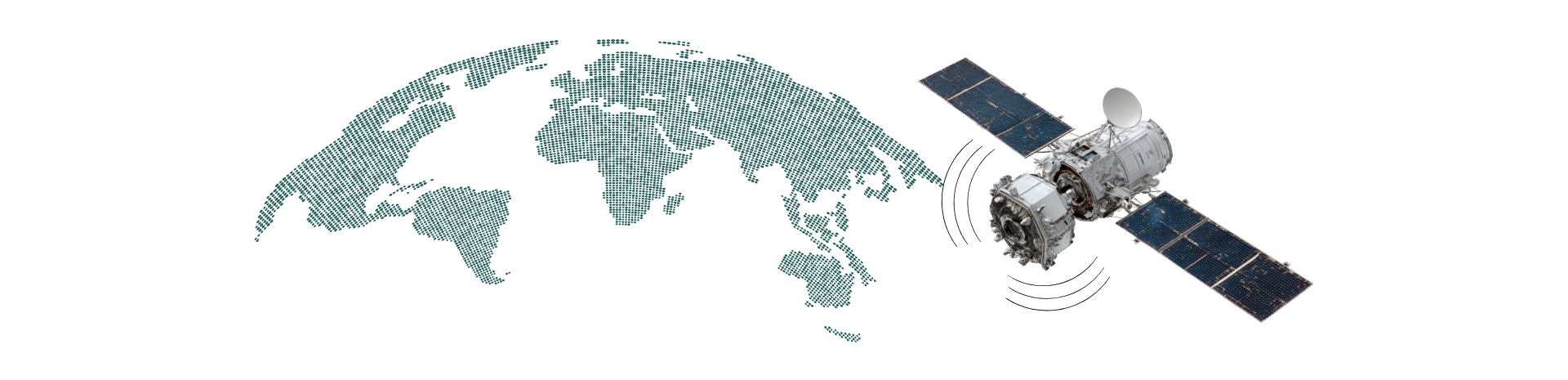
To strengthen our commitment to No Deforestation, we use satellite technology to monitor land-use changes in high carbon stock, high biodiversity, and legally protected areas linked to sugarcane production.

Through our partnership with Geowatch Labs, remote sensing technology enables continuous monitoring of sourcing areas and improves transparency in addition to supplier reporting.

By analysing satellite imagery, we are able to identify potential deforestation or land conversion risks. These alerts are cross-checked against our supplier data, and where risk is identified, we engage directly with suppliers to investigate and address the issue in line with our NDPE Sugar policy.

Please watch the video to learn more about our satellite monitoring.

Resolve All Complaints and Conflicts through an Open, Transparent and Consultative Process

Wilmar provides a Grievance Procedure and No Exploitation Protocol to enable stakeholders to raise allegations related to potential non-compliance within the NDPE Sugar supply chain. All reported cases are reviewed and investigated in a timely manner, with verified allegations requiring time-bound action plans to address identified issues and support remediation. Relevant cases and their progress are publicly disclosed on the Wilmar website to promote transparency and accountability.

Wilmar also maintains a Whistleblowing Policy, through which internal and external stakeholders may, in confidence, raise concerns regarding potential corporate improprieties and other matters requiring independent investigation. Wilmar prohibits threats, intimidation, harassment, retaliation or violence against anyone who raises a concern, lodges a complaint or participates in an investigation. Through these mechanisms, we seek to promote accountability, transparency and responsible practices across the supply chain.

 NDPE Sugar Status

When mills sign up to NDPE Sugar, they receive support to improve their sustainability practices and ensure compliance with national and international sustainability requirements. We use the Supplier Reporting Tool (SRT) to communicate their sustainability progress, with a commitment to completing the SRT and showing continuous improvement towards the NDPE Sugar principles. This support is free of charge and on-site assessments will only be conducted upon specific request.

NDPE Sugar Mill List


Mill Tiering

Mills will be classified according to their Supplier Reporting Tool (SRT) scoring, and other third-party certification systems already used. The mill tiering is visible in the refinery traceability report, which can be requested at the respective refinery.

"+" indicates that the mill and/or the mill’s supply base (all or proportion) has been verified/certified by a third party.

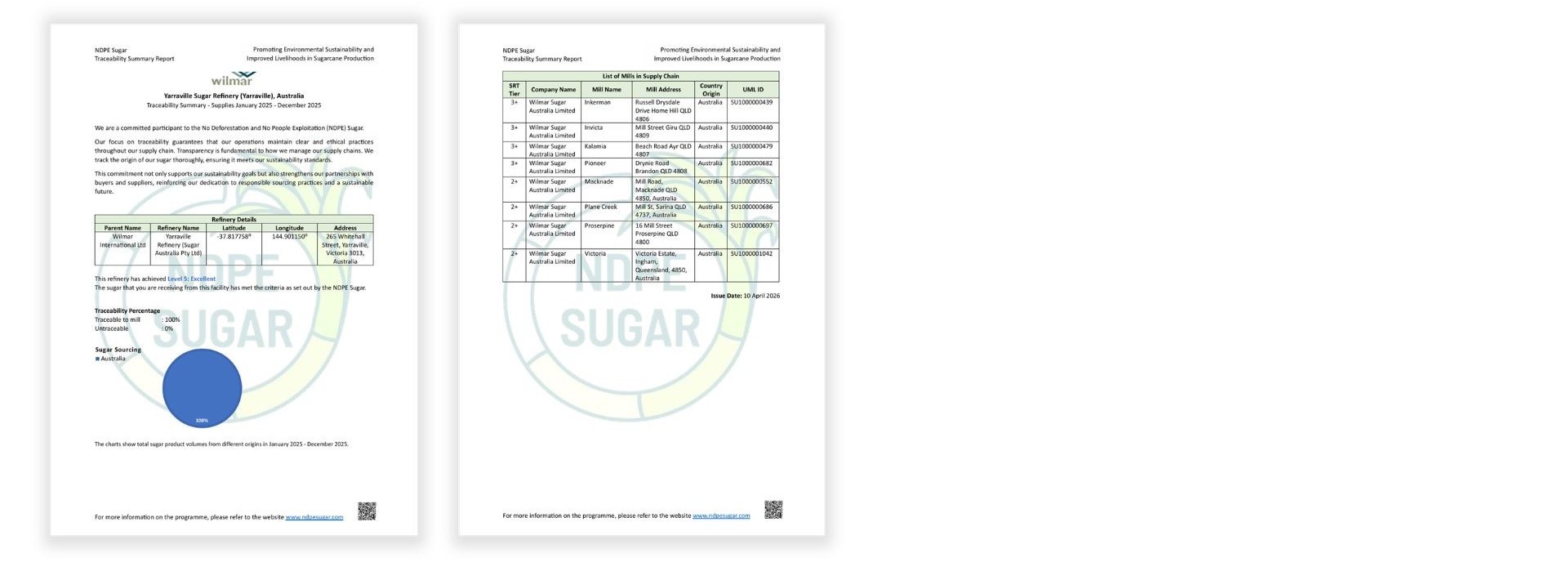
When refineries sign up to NDPE Sugar, their readiness for traceable and transparent supply chains will be assessed. The refinery’s sustainability status will depend on the sustainability progress of the mills it sources from.  Each onboarded refinery receives a Refinery Traceability Report, which lists all supplying mills, their location and NDPE Sugar tiering, together with a breakdown of the refinery’s sourcing regions. This report covers a 12-month period and can be shared with customers upon request. An example extract from a Refinery Traceability Report is shown below.

NDPE Sugar Refinery List


Important note: The mills supplying a specific refinery can change every year, depending on weather impact, or any other global (political) situation. This could result in a change of refinery levels from one year to another.

Refinery Level

Refinery level is based upon traceability %, Supplier Reporting Tool (SRT) completion and scoring of their supplying mills. The refinery levels are visible on the refinery traceability report, which can be requested at the respective refinery.

Example of Refinery Traceability Report:

By recognising NDPE Sugar, our customers and FMCGs gain a practical, data driven due diligence tool to support the implementation of their No Deforestation and Conversion-Free commitments. Through supply chain traceability, supplier reporting, risk assessment, satellite monitoring and direct engagement, the programme provides greater visibility of sourcing origins and supplier sustainability performance, helping companies identify and address environmental and social risks while strengthening credible responsible-sourcing claims.

FMCG’s can ask for the Refinery Traceability Reports at their supplying refineries, as described in the "Refineries" section above.

Beyond due diligence, NDPE Sugar enables brands to build closer relationships with their supply base and potentially contribute to meaningful improvements on the ground. By working in partnership with both suppliers and customers, we aim to create a more transparent, inclusive and resilient sugar supply chain founded on shared responsibility and continuous improvement.

 Our Logo

NDPE Sugar has created a logo for use by the parties involved in NDPE Sugar to communicate their commitment to sustainable sourcing.

This logo provides a clear way for refineries, suppliers, and customers / FMCG who are part of NDPE Sugar to showcase their participation in NDPE Sugar and their efforts to support responsible and sustainable practices.

To apply for the NDPE Sugar logo, please refer the NDPE Sugar Logo Guidelines and submit the completed Logo Application Form to wil-ndpesugar@sg.wilmar-intl.com


 NDPE Sugar Footprint

The map below highlights the countries where NDPE Sugar stakeholders are currently located.

Responsible Sourcing

Cost-free

Includes Mills and Full Supply Base

Progress is Acknowledged

NDPE Sugar Website Banner
Top